CEO, Gulf Relay Holdings

Douglas Hindman

Douglas Hindman is the Chief Executive Officer of GulfRelay Holdings, a full-service truckload carrierheadquartered in Clinton, Mississippi, that provides local, regional,national and over-the-road, dedicated, drayage, and heavy haultransportation, supported by company-owned warehousing, a brokeragedivision, and GR Connect, the carrier's proprietary transportationmanagement system. Since taking ownership of the company in 2011,when it operated six trucks with no outside capital, he has guidedits growth into an asset-based carrier running roughly 250 tractorsand more than 700,000 square feet of warehousing, serving shippersthat range from independent regional businesses to Fortune 500manufacturers and retailers.

Under hisleadership, Gulf Relay has built a reputation for compliance andsafety discipline that has held through every phase of the freightcycle, a record reflected in its standing as a multi-year SmartWayExcellence Award recipient and a Nissan Top Carrier, and in DOTreportable accident rates that run well below the industry standardfor its mileage. Hindman's approach to the business rests on theconviction that a carrier's value is defined by what it refuses tocompromise on, and his writing on the freight market, driverqualification standards, cargo security, and the true cost of cheapfreight draws on that experience.

Before enteringthe trucking industry, Hindman founded and led Mississippi LitigationSolutions, a legal support firm he positioned for acquisition bySmith & Carson, Inc., and he continues to serve as president ofHindman Resources. He holds a Bachelor of Business Administrationfrom Millsaps College and both a Master of Business Administrationand a Master of Science in Finance from the University of Denver. Heis a member of the Mississippi Trucking Association and lives inJackson, Mississippi.

ARTICLES WRITTEN

142 Insights

LinkedInPodcastCrunchbase

Articles by:

Douglas Hindman

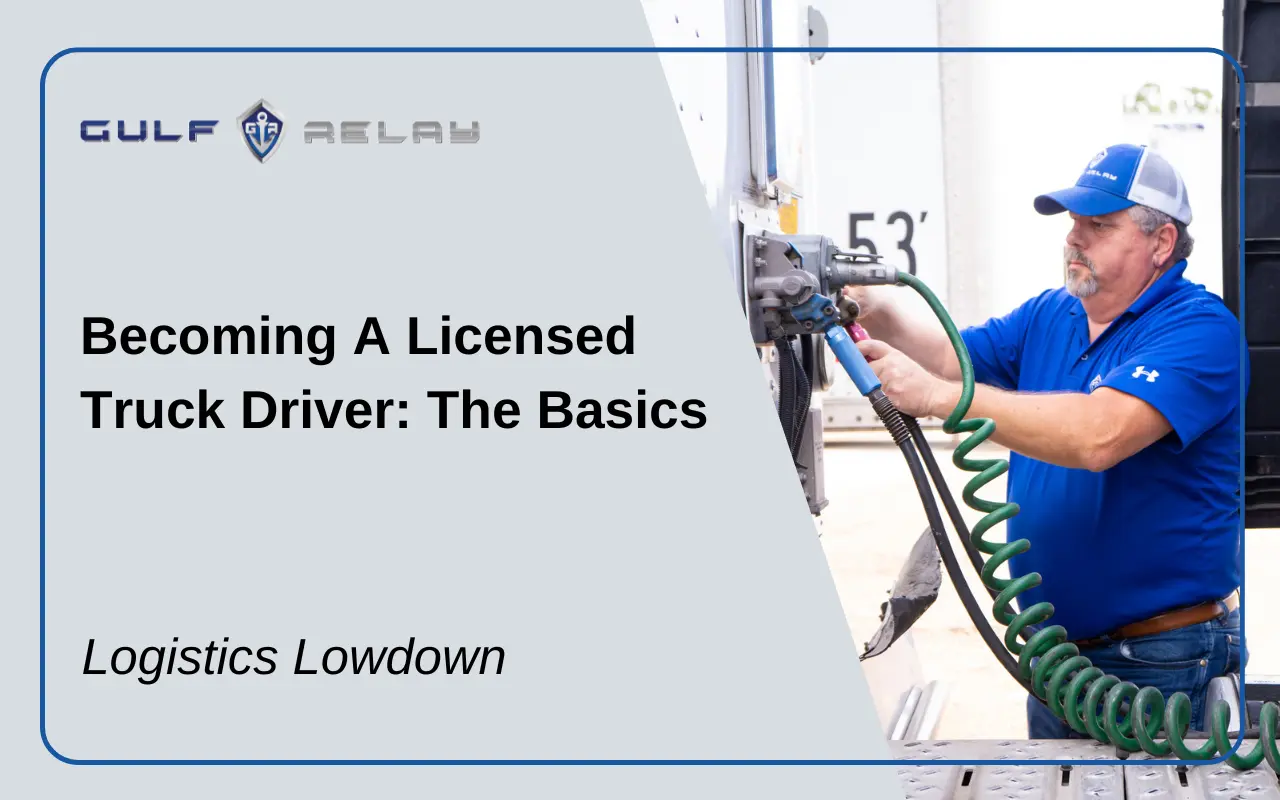
Becoming A Licensed Truck driver: The Basics

Becoming A Licensed Truck driver: The Basics

The trucking industry is the backbone of the American economy, ensuring goods are transported efficiently across the nation. If you've ever considered a career that offers independence, stability, and the open road, becoming a truck driver might be the perfect path for you. In this guide, we'll walk you through the steps to start your journey in the trucking industry and explore how Gulf Relay can be your partner along the way.

Why Choose a Career in Truck Driving?

  • Competitive Earnings: Truck drivers enjoy competitive salaries, with opportunities for bonuses and overtime pay.
  • Job Security: With a constant demand for goods and a long-existing shortage in drivers, the need for skilled drivers remains strong.
  • Flexible Schedules: Many trucking companies offer various schedules and regional options to suit your lifestyle.

Steps to Becoming A Truck Driver

1. Meet the Basic Requirements

Before hitting the road, ensure you meet the foundational criteria:

  • Age: You must be at least 21 years old to drive commercially across state lines. However, some states allow individuals who are 18 years old to drive within the state.
  • Legal Status: You need a valid driver's license and proof of U.S. citizenship or lawful permanent residency.
  • Clean Driving Record: A history free of major traffic violations will make the licensing process smoother.
  • Medical Fitness: Obtain a Medical Examiner's Certificate by passing a Department of Transportation (DOT) physical exam to ensure you're physically fit for the job.

2. Obtain a CommercialLearner's Permit (CLP)

The first official step is getting your CLP:

  • Study the CDL Manual: Each state has a Commercial Driver's License (CDL) manual available online or at your local Department of Motor Vehicles (DMV) office.
  • Pass the Knowledge Test: Schedule and pass the written exam covering general knowledge, air brakes, and combination vehicles (if applicable).
  • Practice Driving: With your CLP, you can now practice driving a commercial vehicle under the supervision of a licensed CDL holder.

3. Enroll in a CDLTraining Program

While not always mandatory, attending a professional truck driving school is highly recommended:

  • Choose an Accredited School: Look for programs certified by the Professional Truck Driver Institute (PTDI) or similar organizations.
  • Gain Practical Experience: Training programs provide hands-on experience with commercial vehicles, teaching you essential skills.
  • Understand Endorsements: Depending on the type of cargo (e.g., hazardous materials, tankers), you may need additional endorsements on your CDL.

4. Obtain YourCommercial Driver's License (CDL)

With training complete, you're ready to get your CDL:

  • Schedule the Skills Test: This includes a vehicle inspection test, basic controls test, and on-road driving test.
  • Pass the Exam: Demonstrate your ability to operate a commercial vehicle safely.
  • Receive Your CDL: Upon passing, you'll be issued a CDL, officially certifying you as a commercial driver.

5. Gain Experience andAdvance Your Career

  • Start with Entry-Level Positions: Many new drivers begin with companies that offer additional training and mentorship.
  • Maintain A Clean Record: Adhere to safety regulations to keep your driving record spotless.
  • Continue Learning: Stay updated on industry regulations and consider additional endorsements to expand your opportunities.

Conclusion

Becoming a truck driver is more than just a job; it's a gateway to a rewarding career filled with opportunity and adventure. With the right preparation and a commitment to excellence, you can join the ranks of professionals who keep America's wheels turning.

Ready to Hit the Road with Gulf Relay?

If you're eager to start your trucking journey with a company that values your growth and success, Gulf Relay is here to support you every mile of the way. Visit our "Driving" page or contact us at (601) 487-4853 to learn more about opportunities awaiting you.

Read More
Driving Forward: How Foreign Truckers are Shaping the U.S. Industry Amidst Emission Changes

Driving Forward: How Foreign Truckers are Shaping the U.S. Industry Amidst Emission Changes

The trucking industry in the United States has seen significant changes in the past few years, particularly with the influx of foreign drivers since 2019. These drivers have found lucrative opportunities in the U.S., earning substantially more than they did in their home countries. During the pandemic, their earnings were approximately six times higher than what they used to make, and even now, as the market stabilizes, they are making three times as much. Despite the decrease, this is still a significant increase compared to their previous earnings, which has encouraged many foreign truckers to stay. However, these drivers face new challenges as the 2027 emission standards approach, rendering their 2017 trucks non-compliant. In this blog, we will explore the implications of this issue, how carriers are dealing with it, and propose three solutions to help alleviate the situation.

Defining the Issue

The economic landscape for foreign truck drivers in the U.S. has changed dramatically. Many of these drivers invested in 2017 trucks during the pandemic simply because of the enormity of opportunities available in the market. These vehicles were relatively affordable and met the emission standards at the time. However, with the introduction of the 2027 emission standards, these trucks will soon be non-compliant, forcing drivers to upgrade to newer models.

Finding 2021 trucks has become a daunting task due to the backlog and congestion in truck production. During the pandemic, the process shifted from purchasing trucks directly off lots to placing orders and waiting for production. This shift has led to a scarcity of available trucks, as manufacturers are still catching up with the backlog of orders.

The Impact on Foreign Drivers and Carriers

Earnings and Cost of Living

Foreign drivers have enjoyed a significant increase in earnings since coming to the U.S. For example, during the pandemic, they earned six times what they made in their home countries, and now they earn three times as much. Despite the decrease, these earnings are still substantially higher, providing them with a better standard of living and financial security. However, the impending need to upgrade their trucks poses a financial challenge.

Truck Availability and Emission Standards

The 2027 emission standards are aimed at reducing environmental impact but come with the unintended consequence of making many current trucks obsolete. Foreign drivers who own 2017 trucks must find newer models, specifically 2021 or newer trucks, to remain compliant. The backlog in truck production exacerbates this issue, as few companies are selling their trucks, preferring to keep them until new ones become available.

How Carriers Are Dealing with the Issue

Maintaining Current Fleet

Many carriers are choosing to maintain their current fleet of trucks until the production backlog is resolved. This approach helps mitigate immediate financial burdens but is only a temporary solution as emission standards become stricter.

Leasing and Financing Options

Carriers are exploring leasing and financing options to help drivers upgrade their trucks. Leasing provides a way to access newer trucks without the full upfront cost, while financing options can spread the cost over several years, making it more manageable for drivers.

Collaborating with Manufacturers

Some carriers are collaborating with truck manufacturers to secure priority in production queues. By establishing relationships and placing bulk orders, they aim to mitigate the backlog and ensure a steady supply of compliant trucks.

Proposed Solutions to Alleviate the Issue

Government Incentives and Subsidies

One effective solution is to advocate for government incentives and subsidies to assist drivers in upgrading their trucks. These incentives could include tax credits, grants, or low-interest loans specifically designed for purchasing compliant vehicles. By providing financial assistance, the government can help ensure a smoother transition to the new emission standards without placing undue financial strain on drivers.

Enhanced Leasing Programs

Carriers and financial institutions can develop enhanced leasing programs tailored to the needs of foreign drivers. These programs should offer flexible terms, lower monthly payments, and options for lease-to-own agreements. By making leasing more accessible and affordable, drivers can upgrade their trucks without the immediate financial burden of purchasing a new vehicle outright.

Expanding Truck Production Capacity

To address the backlog in truck production, manufacturers should consider expanding their production capacity. This expansion could involve increasing factory output, streamlining production processes, and investing in new manufacturing facilities. By ramping up production, manufacturers can reduce the wait time for new trucks and ensure a steady supply of compliant vehicles for the industry.

Relevant Data and Statistics

  • According to the American Trucking Association (ATA), there are approximately 3.5 million truck drivers in the U.S., with a significant percentage being foreign-born.
  • The U.S. Bureau of Labor Statistics reports that the median annual wage for heavy and tractor-trailer truck drivers was $47,130 in May 2020.
  • A study by the National Renewable Energy Laboratory (NREL) indicates that upgrading to newer trucks with compliant emission standards can reduce greenhouse gas emissions by up to 25%.

Conclusion

The influx of foreign drivers has been a boon for the U.S. trucking industry, providing a much-needed workforce during challenging times. However, the impending 2027 emission standards present a significant challenge, particularly for those who invested in 2017 trucks. By exploring solutions such as government incentives, enhanced leasing programs, and expanding truck production capacity, the industry can help foreign drivers transition smoothly while maintaining compliance with environmental regulations. 

At Gulf Relay, we are committed to supporting our drivers and ensuring a sustainable and prosperous future for the industry.

Read More
Driving Change: SAP’s Impact on Gulf Relay and Beyond

Driving Change: SAP’s Impact on Gulf Relay and Beyond

In November, a significant change is set to impact the trucking industry, specifically affecting drivers enrolled in the Substance Abuse Program (SAP). As of November 18th, any driver who has not completed all six steps of the SAP will face a suspension of their Commercial Driver's License (CDL). This regulatory change presents challenges for carriers like Gulf Relay, their drivers, and the customers they serve. In this blog, we delve into how this new rule impacts the industry, provide an overview of the affected drivers, and discuss why it is essential for the driving industry to address this issue with urgency.

The Importance of Addressing SAP Compliance

The forthcoming suspension of CDLs for non-compliant SAP drivers holds significant implications for several reasons:

  • Operational Disruption for Carriers and Customers
  • Safety and Compliance in the Industry
  • Long-term Workforce Stability

By exploring these aspects, we can better understand the broad impact of this regulatory change and identify potential solutions to mitigate the associated risks.

Impact on Gulf Relay and the Broader Industry

Operational Disruption for Carriers and Customers

The immediate concern for Gulf Relay and other carriers is the potential operational disruption. According to the Federal Motor Carrier Safety Administration (FMCSA), there are approximately 250,000 drivers in the SAP at any given time. If a significant portion of these drivers fail to complete the program, the industry could face a substantial workforce reduction.

At Gulf Relay, we currently have around 100 drivers, with approximately 5% enrolled in the SAP. This percentage translates to five drivers who could potentially lose their licenses if they do not complete the program. While this number might seem small, the impact on our operations can be profound, especially considering the current driver shortage crisis. Each driver plays a crucial role in maintaining our delivery schedules and ensuring that customer demands are met promptly.

For our customers, this could mean delays in shipments, increased costs due to the need for expedited shipping solutions, and potential disruptions in their supply chains. Given that 70% of all freight in the U.S. is transported by trucks, any significant reduction in available drivers could ripple through various industries, from retail to manufacturing.

Safety and Compliance in the Industry

Ensuring safety and compliance in the trucking industry is paramount. The SAP is designed to help drivers who have substance abuse issues return to work safely. Completing the program involves an evaluation by a Substance Abuse Professional, education or treatment, and follow-up testing. This rigorous process ensures that drivers are fit to operate commercial vehicles safely.

However, non-compliance with SAP requirements not only risks individual drivers' careers but also jeopardizes overall road safety. According to the FMCSA, drivers who complete the SAP have a significantly lower rate of subsequent violations compared to those who do not. Thus, enforcing the November deadline is critical to maintaining high safety standards in the industry.

For Gulf Relay, strict adherence to safety and compliance standards is non-negotiable. We are committed to supporting our drivers through the SAP process, providing the necessary resources and time to complete the program. This commitment helps ensure that we continue to operate safely and efficiently, protecting our drivers, our customers, and the general public.

Long-term Workforce Stability

Addressing SAP compliance is not just about avoiding immediate disruptions; it is also about ensuring long-term workforce stability. The trucking industry is already grappling with a significant driver shortage, with estimates suggesting a need for an additional 80,000 drivers. Losing even a fraction of our current drivers to non-compliance with SAP requirements could exacerbate this shortage.

Investing in driver support programs and fostering a culture of health and safety can help retain drivers in the long run. At Gulf Relay, we prioritize our drivers' well-being, offering support and resources to help them succeed. By doing so, we aim to reduce turnover, improve job satisfaction, and build a stable and reliable workforce.

Solutions to Address SAP Compliance

Enhanced Driver Support and Resources

One effective solution is to enhance the support and resources available to drivers enrolled in the SAP. This support includes providing access to counseling services, education programs, and follow-up testing to ensure drivers complete all required steps. At Gulf Relay, we have established partnerships with professional counseling services to assist our drivers through the SAP process.

Additionally, offering financial assistance for treatment programs and time off for recovery can alleviate some of the burdens on drivers, encouraging them to complete the program. By investing in our drivers' health and well-being, we not only help them retain their licenses but also demonstrate our commitment to their long-term success.

Increased Communication and Awareness

Another key solution is to increase communication and awareness about the November deadline and the importance of completing the SAP. Carriers must actively communicate with their drivers, providing clear information about the consequences of non-compliance and the steps they need to take to complete the program.

Regular check-ins and reminders can help ensure that drivers stay on track and do not miss critical deadlines. At Gulf Relay, we have implemented an internal communication campaign to keep our drivers informed and engaged. This campaign includes regular updates, reminders, and access to resources to support their progress.

Collaboration with Industry Stakeholders

Finally, collaboration with industry stakeholders, including regulatory bodies, professional associations, and other carriers, can help address the broader impact of SAP compliance. By working together, we can share best practices, develop industry-wide standards, and advocate for policies that support drivers in completing the SAP.

For example, the American Trucking Associations (ATA) has been actively involved in raising awareness about the SAP and advocating for policies that support driver rehabilitation and retention. By participating in these efforts, Gulf Relay can contribute to a collective effort to enhance safety, compliance, and workforce stability in the trucking industry.

Conclusion

The upcoming November deadline for SAP compliance presents significant challenges and opportunities for the trucking industry. At Gulf Relay, we recognize the critical importance of addressing this issue to maintain operational efficiency, ensure safety and compliance, and support long-term workforce stability. By enhancing driver support and resources, increasing communication and awareness, and collaborating with industry stakeholders, we can mitigate the impact of this regulatory change and continue to thrive in a competitive and dynamic industry.

As we navigate these challenges, our commitment to our drivers, customers, and the broader community remains unwavering. Together, we can build a safer, more resilient, and more prosperous future for the trucking industry.

Read More
The Importance of Networking: Building a Support System on the Road

The Importance of Networking: Building a Support System on the Road

For truck drivers, life on the road can often feel isolating and challenging. Long hours, extensive travel, and limited interactions can take a toll on mental and physical well-being. However, building a strong support system through effective networking can significantly enhance the trucking experience. This blog will explore the importance of networking for truck drivers and provide practical tips for building a support system both online and in-person.

Why Networking is Crucial for Truck Drivers

Networking for truck drivers goes beyond social interactions; it can be a lifeline that offers emotional support, practical advice, and career opportunities. According to a study by the American Trucking Associations (ATA), 35% of truck drivers cite loneliness as a major issue on the road. Developing a network of peers can help mitigate these feelings and provide a sense of community.

Moreover, networking can lead to shared knowledge and resources, making it easier to navigate the complexities of the trucking industry. A report from the Federal Motor Carrier Safety Administration (FMCSA) found that drivers who regularly interact with their peers are 20% more likely to stay updated on industry regulations and best practices. Here are three ways we recommend for you to stay connected on and off the road. 

Solution #1: Utilizing Online Platforms and Social Media

One of the most accessible ways for truck drivers to network is through online platforms and social media. These tools offer a convenient way to connect with fellow drivers, share experiences, and seek advice regardless of location.

Join Trucking Forums and Online Communities

Online forums and communities like TruckersReport, Reddit’s r/Truckers, and various Facebook groups dedicated to truck drivers are excellent starting points. These platforms provide spaces where drivers can discuss everything from route planning and regulatory changes to personal experiences and industry news.

Statistics show that over 70% of truck drivers use social media regularly, according to the Pew Research Center. Engaging in these online communities can help drivers stay informed and connected.

Follow Industry Influencers and Groups

Following industry influencers and groups on platforms like LinkedIn, Twitter, and YouTube can also provide valuable insights. Influencers often share tips, news updates, and motivational content that can help drivers feel more connected to the larger trucking community. The American Trucking Associations and Women In Trucking Association, for example, regularly post relevant content and updates.

Participate in Webinars and Online Events

Webinars and virtual events are increasingly popular in the trucking industry. These events often feature industry experts and provide opportunities for learning and networking. For instance, the American Trucking Associations hosts regular webinars on various topics, attracting thousands of participants. According to the ATA, attendance at their webinars has increased by 45% in the past two years, highlighting the growing importance of virtual engagement.

Solution 2: Engaging in In-Person Networking Opportunities

While online networking is invaluable, in-person interactions can significantly strengthen connections and foster deeper relationships. Engaging in face-to-face networking can provide opportunities for mentorship, collaboration, and camaraderie.

Attend Industry Conferences and Trade Shows

Industry conferences and trade shows like the Mid-America Trucking Show (MATS) are prime venues for networking. These events attract thousands of industry professionals, offering opportunities to meet fellow drivers, industry leaders, and potential employers. According to event organizers, MATS and other shows collectively draw over 150,000 attendees annually.

Join Professional Associations and Local Chapters

Professional associations such as the Owner-Operator Independent Drivers Association (OOIDA) and the Women In Trucking Association (WIT) offer networking opportunities through local chapters and events. Membership in these associations often includes access to exclusive events, resources, and forums where drivers can connect and collaborate.

Participate in Local Meetups and Support Groups

Local meetups and support groups can provide a more personal networking experience. Websites like Meetup.com and local trucking organizations often host events where drivers can share experiences, discuss challenges, and offer support. These gatherings can be particularly beneficial for new drivers seeking mentorship and advice from experienced peers.

Solution 3: Building a Personal Support Network

In addition to leveraging online platforms and participating in industry events, building a personal support network is crucial for long-term well-being and success in the trucking industry. This involves cultivating relationships with fellow drivers, family members, and industry contacts.

Stay Connected with Fellow Drivers

Maintaining regular contact with fellow drivers can provide emotional support and practical advice. Establishing a routine of checking in with driving buddies through phone calls, text messages, or social media can help alleviate feelings of isolation. A survey by the Journal of Occupational Health Psychology found that truck drivers who maintained regular contact with peers reported 25% lower levels of stress and anxiety.

Foster Strong Family Connections

Family support is a critical component of a truck driver’s support network. Regular communication with family members, sharing experiences, and involving them in career decisions can strengthen these relationships. The National Institute for Occupational Safety and Health (NIOSH) emphasizes the importance of family support in maintaining mental health for truck drivers.

Utilize Company Resources

Many trucking companies offer resources to support driver well-being and facilitate networking. For example, some companies provide mentorship programs, wellness initiatives, and access to counseling services. Engaging with these resources can enhance a driver’s support system and provide additional layers of assistance.

The Impact of Networking on Driver Well-Being

The benefits of networking for truck drivers extend beyond professional development. A robust support system can significantly impact mental and physical health, job satisfaction, and overall quality of life. According to data, individuals with strong social support networks are more resilient to stress and more likely to experience positive mental health outcomes.

Mental Health Benefits

Loneliness and isolation are common challenges for truck drivers, but networking can mitigate these feelings. Engaging with peers and maintaining social connections can reduce symptoms of depression and anxiety. Studies find that social support is a significant predictor of job satisfaction and mental well-being among truck drivers.

Professional Growth and Development

Networking can open doors to new opportunities, including job advancements, training programs, and mentorship. Drivers who actively engage in networking are more likely to stay informed about industry trends and best practices, enhancing their professional development. The FMCSA reports that drivers who participate in professional networks are 30% more likely to pursue further training and certifications.

Enhanced Job Satisfaction and Retention

A strong support system can lead to higher job satisfaction and lower turnover rates. Truck drivers who feel connected to their peers and supported by their network are more likely to remain in their jobs long-term. According to the ATA, companies that promote networking and support among drivers see a 20% reduction in turnover rates.

Conclusion

Networking is an essential component of success and well-being for truck drivers. By utilizing online platforms, engaging in in-person networking opportunities, and building a personal support network, drivers can create a robust support system that enhances their professional and personal lives. The benefits of networking extend beyond career advancement, impacting mental health, job satisfaction, and overall quality of life.

In a demanding industry like trucking, a strong network can provide the support, resources, and connections needed to thrive. Whether through online communities, industry events, or personal relationships, the importance of networking cannot be overstated. By investing time and effort into building and maintaining these connections, truck drivers can navigate the challenges of the road with greater confidence and resilience.

Read More